
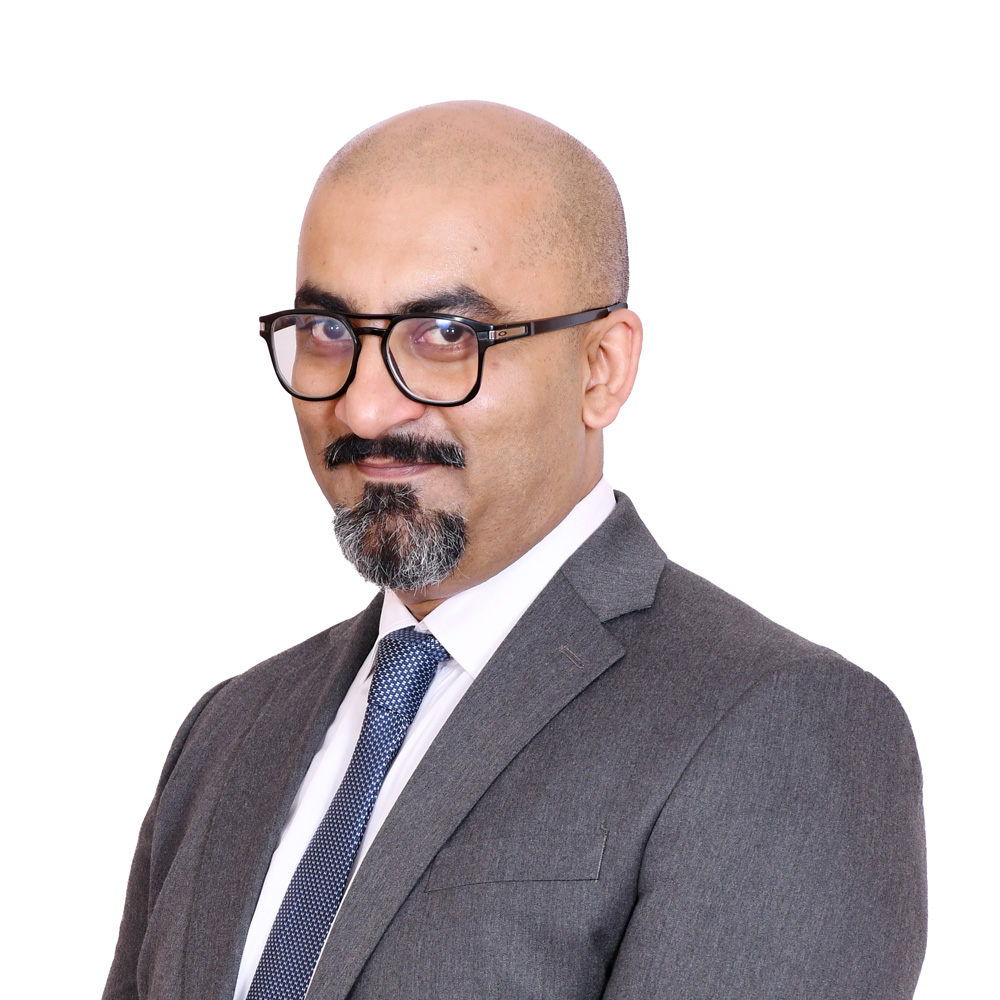
Mr. Prashant Pimple

Mr. Prashant Pimple

Chief Investment Officer - Fixed Income, Baroda BNP Paribas Mutual Fund.

Mr. Pimple is a seasoned asset management professional with rich experience of over 26 years in Fixed Income segment. Currently, Mr. Prashant is the Chief Investment Officer – Fixed Income at Baroda BNP Paribas Asset Management India Pvt Ltd. Prior to this, he worked with Nippon India Mutual Fund for over 16 years as Senior Fund Manager Fixed Income. Other organizations that Prashant has worked with are Fidelity Fund Management, ICICI Bank, Bank of Bahrain and Kuwait, Saraswat Co-op bank and Small Industrial Development Bank of India. Mr. Pimple is a Commerce Graduate from Sydenham College of Commerce and Economics and has completed his MBA from Jamnalal Bajaj Institute of Management Studies (JBIMS). Additionally, he has also done ACTM, Chartered Treasury Manager course specializing in Treasury and Forex Management from The Institute of Chartered Financial Analyst of India.

Please note we have published the answers as it is received from the Fund Manager of Baroda BNP Paribas Mutual Fund.

Q1. In uncertain global environments, debt often becomes an important stabilizer within portfolios. How should investors think about debt allocation not merely as a return-generating asset, but as a tool for capital preservation, liquidity management, and portfolio balance?

Ans: Stability and visibility remain one of the key important reason for investing in debt funds. One should invest in debt funds as part of; a) overall portfolio allocation seeking achievement of near-term needs b) from liquidity perspective to achieve portfolio rebalancing if one wants to diversify into other asset classes and c) at the same time generating inflation adjusting real returns.

Q2. Many retail investors still compare debt funds directly with fixed deposits on return expectations alone. What are the key advantages debt mutual funds can offer over traditional deposits from a portfolio construction and liquidity perspective?

Ans: Debt mutual funds provide diversification, liquidity and tax efficiency as compared to many traditional products in their endeavor to achieve near term needs. Any debt fund comprises various exposures to highly rated money market instruments/bonds/sovereign paper subject to exposure limits within SEBI defined framework for single issuers, sector, group limits. This ensures that debt funds are well diversified. In addition, debt funds provide flexibility in terms of liquidity, across one’s investment journey. Debt funds can be redeemed even with a partial amount without affecting returns of the residual amount which remains invested. Also, liquidity norms by SEBI ensure requisite compulsory allocation to cash and sovereign assets in the portfolio. In case of debt funds, benefits of taxation at the time of withdrawal ensure better compounding impact over medium term.

Q3. With SEBI having defined so many debt fund categories, investors often find it confusing to choose the right one. How would you simply explain which debt fund category suits which investor need - by horizon, risk appetite, and need?

Ans: SEBI definition of debt fund categories was introduced to clearly define the investment framework within which debt fund managers can manage the fund and also to ensure transparency to match investor’s expectations. Unfortunately, various categories available create confusion for broad investors in terms of purpose and expectations. The simple thumb rule for any investor should be to match the investment horizon of its investment with the duration range of the various debt funds defined by regulator. In addition, investors should look at the credit profile of the underlying debt funds as well, as although higher credit quality ensures principal protection, but it comes at a slightly lower yield. So, based on the investment objective and horizon, one can decide its risk appetite and accordingly allocate to the appropriate fund.

Q4. Credit events in the past have made investors more conscious about risk within debt products. Beyond external ratings, what should investors evaluate while selecting debt funds to ensure alignment with their risk appetite and investment horizon?

Ans: The one good part of the past credit events is that the regulator has ensured tightening of framework within which issuers as well investors can transact. In addition to these tighter regulations, an investor should be aware of the credit process of the fund house, internal guard rails within which the investments are managed, the investment horizon and needs to be achieved for investing in those funds etc.

Q5. With recent volatility in crude oil prices and concerns around inflation resurfacing amid global geopolitical tensions, how do you see the outlook for interest rates and bond yields evolving in India?

Ans: Geopolitical tensions, higher commodities in general and oil prices in particular and depreciating currency has resulted in deterioration of outlook of inflation, CAD, BOP and Fiscal Deficit. The year going forward seems to be a year for carry trades instead of large capital gains. Realizing the same, funds at shorter end which run accrual strategies looks attractive as spreads remain higher than long term average over repo rate.

Q6. With the rupee influenced by factors such as oil prices, trade deficits, and global uncertainty, how important is currency stability for India’s broader macroeconomic outlook over the medium term?

Ans: A stable currency is of utmost importance as it not only affects inflation trajectory, trade deficits and fiscal deficits, but also affects capital allocation decisions from FPIs and FDI perspective. If the Indian rupee continues to reflect depreciation bias, we may get into vicious cycle of higher inflation, higher CAD, higher BOP, lack of flows and continue to remain underinvested from capital allocator versus rest of the emerging markets. This could undermine the medium-term growth trajectory and can lead to higher and longer inflation regime. Hence a stable currency remains a key important essential which policy makers would be keen to adhere to.

Disclaimers The material contained herein has been obtained from publicly available information, internally developed data and other sources believed to be reliable, but Baroda BNP Paribas Asset Management India Private Limited (BBNPP), makes no representation that it is accurate or complete. BBNPP has no obligation to tell the recipient when opinions or information given herein change. It has been prepared without regard to the individual financial circumstances and objectives of persons who receive it. This information is meant for general reading purposes only and is not meant to serve as a professional guide for the readers. Except for the historical information contained herein, statements in this publication, which contain words or phrases such as ‘will’, ‘would’, etc., and similar expressions or variations of such expressions may constitute forward-looking statements. These forward-looking statements involve a number of risks, uncertainties and other factors that could cause actual results to differ materially from those suggested by the forward-looking statements. BBNPP undertakes no obligation to update forward-looking statements to reflect events or circumstances after the date thereof. Words like believe/belief are independent perception of the Fund Manager and do not construe as opinion or advice. This information is not intended to be an offer to see or a solicitation for the purchase or sale of any financial product or instrument. The investment strategy stated above is for illustration purposes only and may or may not be suitable for all investors. The information should not be construed as investment advice and investors are requested to consult their investment advisor and arrive at an informed decision before making any investments. The Trustee, AMC, Mutual Fund, their directors, officers, or their employees shall not be liable in any way for any direct, indirect, special, incidental, consequential, punitive or exemplary damages arising out of the information contained in this document. Past performance may or may not be sustained in the future and is not a guarantee of any future returns.

Mutual Fund investments are subject to market risks, read all scheme related documents carefully.
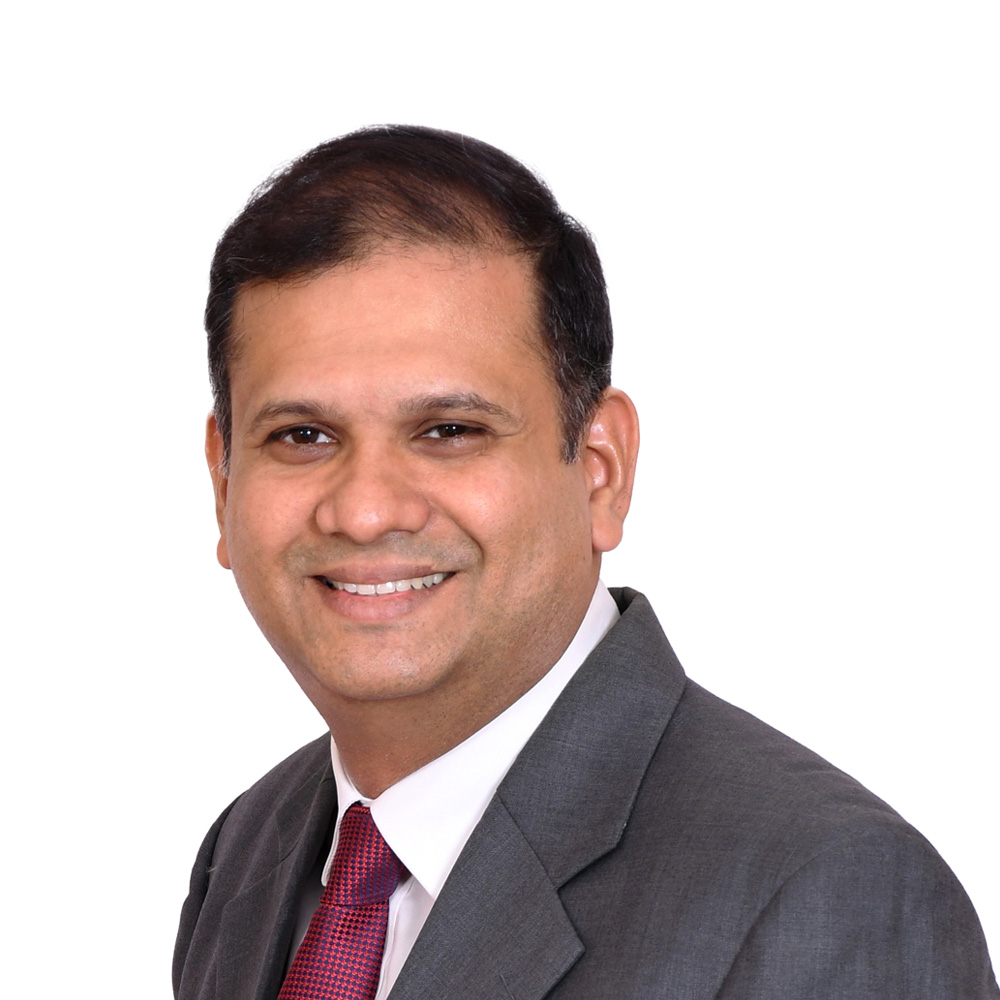
Mr. Sanjay Chawla

Mr. Sanjay Chawla

Chief Investment Officer - Equity, Baroda BNP Paribas Mutual Fund.

Mr. Chawla has over 35 years of experience in fund management, equity research and Management Consultancy. Currently, he is Chief Investment Officer - Equity at Baroda BNP Paribas Asset Management India Private Limited. In his prior roles, he has worked with Baroda Asset Management India Limited as Chief Investment officer, Birla SunLife AMC as Sr. Fund Manager-Equity, managing various schemes with different strategies. Mr. Chawla has also worked as Head of Research with SBI Capital Markets and in various capacities in the equity research space in Motilal Oswal Securities, IDBI Capital Markets, SMIFS Securities, IIT Invest Trust & Lloyds Securities. He is the fund manager for certain schemes of the Mutual Fund. Mr. Chawla is graduated with a Master of Management Studies from Birla Institute of Technology & Science (BITS), Pilani.

Please note we have published the answers as it is received from the Fund Manager of Baroda BNP Paribas Mutual Fund.

Q1. Following the recent government commentary around fuel conservation, gold imports, and external vulnerabilities, do you believe long-term investors should be concerned about the broader macroeconomic impact, or are these measures largely preventive steps reflecting prudent economic management?

Ans: In our view, the recent government commentary around fuel conservation, gold imports etc is more of a groundwork towards the possibility of an extended resolution to the West Asia conflict. As the conflict lingers and the disruptions in the Straits of Hormuz continues, crude/gas/petrochemical prices remain elevated. This is likely to place a downward pressure on GDP growth, an upward bias on inflation and a worsening current account deficit (CAD) placing pressure on the currency. It makes the situation for maintaining fuel prices less and less tenable. For long term investors, the currency and bond markets (OIS markets are tentatively pricing in 50bps rate increases by the close of FY27) have already recalibrated to a large degree. Equity has seen a small bounce from the lows of March when peace talks began and market may give up those rebound gains in case a truce is delayed. However, our health as an economy as we entered into this conflict is vastly different from say the global financial crisis years or the tech meltdown years. Valuations euphoria had already drained through CY2025 and our valuations have now reverted to mildly below long term levels. FII ownership is also at a multi-year low indicating no extended ownership. Retail leverage/margin financing etc have also been manageable. Yes, growth may be vulnerable and one could see 300-500bps of earnings cuts, but it would not be meaningfully large as an extension to impact on markets. This crisis may actually be a reasonable window for long term investors to get into markets. A resolution of the conflict would naturally translate to cool off in energy markets in 1-2 quarters, changing not only sentiments but also reducing the CAD and relieving the risks to growth and inflation.

Q2. Beyond financial metrics, how do you assess the qualitative aspects of a company while filtering stocks for long-term portfolios? What are the early signs that help you differentiate sustainable compounders from businesses benefiting only from short-term cycles?

Ans: We look at a triangulation of BMV - business, management and valuation to identify long term winners. A company’s ability to weather shocks and sustain its growth can stem from multiple sources - a technology proficiency, large scale driving competitiveness, ability to leverage on raw materials (e.g. access to high grade alumina for an aluminium producer) or labour costs (certain labour-intensive jobs may be more competitive out of India) etc. The other part M - management is where we desire consistency between statements and action, proper timely execution of articulated strategy with a high level of governance and lastly the V - valuation i.e. there has to be a relation between price (we pay) and the value (we get).

Q3. Smart beta strategies are gaining ground as investors seek a middle path between passive and active investing. How do you view the growth of smart beta in India, and can factor-based strategies consistently add value across market cycles compared to traditional active and passive approaches?

Ans: These are interesting alternatives to broaden the choices available to investors. Some of these categories are quite nascent so one could see some build-up of assets in the near future. However, they have their own pros and cons. On the positive side, they may be a little cheaper and also they do eliminate some human biases. On the negative side, typical strategies like momentum or quality etc. do not work across all time frames and it may be more appropriate for an astute investor to keep shuffling across such styles. A less involved investor may prefer a professional to take the calls through active management. Long term investors may also find it cumbersome to constantly shuffle styles and suffer tax leakages if their intent is to reap benefits of long-term investing.

Q4. With the launch of multiple strategies in the newly introduced SIF space, how should investors understand the role of these products within their portfolios? What type of investors are best suited for SIF strategies, and how different are they from traditional mutual fund offerings?

Ans: The SIFs are a new category of mutual fund strategies that are available to investors within the broader MF platform. The investment strategies of the funds utilize the same asset classes and securities as traditional mutual funds - Equity, Fixed Income, Commodities, InVITs, etc. The key differentiator being the manner in which these varied asset classes and instruments ( including derivatives) are used to run the investment strategy for these funds. Investors should evaluate their risk appetite, map out their investment and financial needs and then consider investment choices that would help them achieve these needs. The SIFs tend to run relatively more complex strategies than mutual fund schemes, and for many of the strategies, may have higher risk portfolios. Therefore, investors would be well guided to choose funds based on their risk appetite and evaluate individual SIF strategies for their suitability in their portfolio.

Q5. Many investors struggle with asset allocation discipline during bull and bear cycles. How should investors decide when to rebalance equity exposure rather than reacting emotionally to market movements? What indicators or life-stage factors should ideally drive such decisions?

Ans: Investors should stick to their asset allocations that have been created based on their risk appetite, time horizon and investment needs. Bull and Bear cycles are a normal part of the capital markets and difficult to predict and therefore even more difficult to time investments in accordance with these cycles. We believe investors should review their portfolios on a regular basis and re-balance only if required, based on their needs and risk appetites. It is difficult, but investors should actively try to ignore relatively short-term market movements and stay disciplined and focused on their needs.

Q6. While digital platforms have made investing more accessible, data indicates that investors working with MFDs tend to stay invested longer through market cycles. Do you believe the role of distributors is evolving from product distribution toward behavioural coaching and financial discipline?

Ans: Mutual Fund Distributors are an integral part of the Mutual Fund ecosystem. Financial decisions for most of the populace are a daunting and esoteric activity and therefore most investors require handholding for both the actual investment decisions as well as guidance through the process of executing those investment decisions. As the market grows, evolves and matures, we see distributors playing more active roles in their investors’ investment life cycles. The resilience of SIPs and Mutual Fund flows despite market volatility has clearly shown that the increasing education and emphasis on disciplined investing, staying the course through market cycles and aligning asset allocation to risk appetites is beginning to make an impact on the broader investing population. MFDs have been instrumental in this growth and understanding of investments.

Source: Internal Research
Mutual fund investments are subject to market risks, read all scheme-related documents carefully.

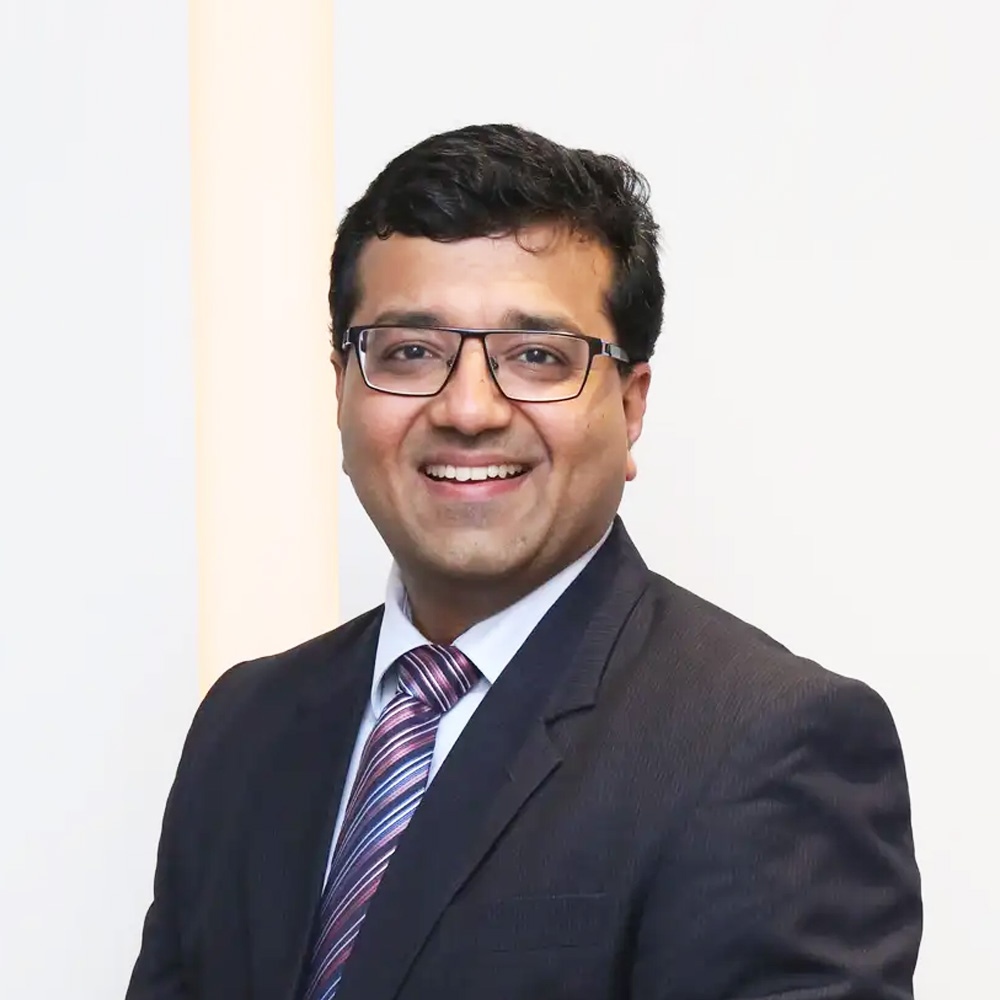
Mr. Puneet Pal

Mr. Puneet Pal

Head - Fixed Income, PGIM Mutual Fund.

Puneet Pal is the Head-Fixed Income of PGIM India Asset Management Pvt. Ltd. He has over 23+ years of experience in the debt markets within the mutual fund space.

In his last assignment, Puneet was Head - Fixed Income at BNP Paribas Asset Management India Pvt. Ltd. Prior to that Puneet was Sr. Vice President & Fund Manager at UTI Asset Management Company Ltd. He has also worked as Fund Manager at Tata Asset Management Ltd. He is a MBA (Finance) from Symbiosis Institute of Business Management, Pune.

He jointly manages PGIM India Money Market Fund, PGIM India CRISIL IBX Gilt Index – Apr 2028 Fund, PGIM India Ultra Short Duration Fund, PGIM India Liquid Fund, PGIM India Low Duration Fund, PGIM India Corporate Bond Fund, PGIM India Dynamic Bond Fund and PGIM India Gilt Fund and debt portion of certain equity funds.

Please note we have published the answers as it is received from the Fund Manager of PGIM Mutual Fund.

Q1. With crude oil prices remaining volatile and the RBI maintaining a cautious stance on rates, how do you see the interest rate trajectory evolving in India? What is your broad positioning on duration and the yield curve in this environment?

Ans: The duration and the extent of the Middle East conflict will be a key determinant of the Inflation and the growth outlook for FY27. Though the Inflation outlook has worsened markedly, we do not expect a rate hike by the MPC in next week’s policy meeting as the current lower Inflation buys some time for the MPC to wait and gauge the impact of the rapidly evolving situation. We expect RBI to sound hawkish with a decent probability of a change in the monetary policy stance, signalling the end of the rate cutting cycle.

Q2. In this uncertain rate environment, how do you decide the balance between accrual and duration strategies within your portfolio? What key triggers or indicators lead you to shift between the two?

Ans: The choice of accrual and duration strategies depend upon various variables , primarily our outlook on the markets and the relative valuations. Our view of the interest rate trajectory is the key trigger for choosing between accrual and duration strategies.

Q3. Debt is often under-appreciated in portfolio construction despite its role in managing risk and providing stability. How should investors determine the appropriate allocation to debt over the long term, and what frameworks or factors should guide this decision?

Ans: Diversification is essential to mitigate risk. An equity-heavy portfolio will suffer a huge drawdown when markets correct. On the other hand, a portfolio having an optimal balance between equity and debt could protect the downside better. As part of the asset allocation process, investors should invest across different asset classes to cut down risk and achieve an optimal balance between risk and reward.

Q4. Liquid funds offer relatively attractive risk-adjusted returns, yet retail participation remains limited. What are the key factors-such as awareness, liquidity perception, or behavioural biases-that are restricting broader adoption, and what could drive a structural shift in investor allocation?

Ans: Lack of awareness , we believe , is the major factor for lower retail participation in Liquid fund and money market categories. More information and educating investors about asset allocation and financial literacy can drive a shift in investor allocation

Q5. Online bond platforms are increasingly attracting retail investors by offering higher-yield opportunities. How do you assess the risk-return trade-off in such instruments, and what key factors should investors evaluate before investing?

Ans: The risk return is adversely skewed for investors investing on such platforms as an individual investor may not be in a position to handle a negative credit event. We believe that investors are better off investing through institutional investment vehicles such as credit funds offered by mutual funds.

If investors want to invest in bonds through online bond platforms , then they should do proper credit evaluation and due diligence in respect of the bonds they are investing in and should also be aware of the operating mechanics of the high yield bond markets.

Q6. External credit ratings may not always capture early signs of stress. What additional internal checks or early warning indicators does your team use when assessing creditworthiness, and how do these help in protecting investor capital?

Ans: Credit Research is an important part of our investment process. We start with a bottom-up process to create an investible universe. Potential opportunities are first subjected to screening to establish a baseline on financials and corporate governance standards. The filtered issuers are then subjected to more rigorous evaluation standards covering both quantitative and qualitative factors. The process includes an internal credit rating and scoring framework as an input for decision making to complement the external rating. Each issue is subject to ongoing review as long as they are part of the investable universe.

Mutual Fund investments are subject to market risks, read all scheme related documents carefully.

Contact Us

Financial Artists
Office Address:
2/75 Rasik Niwas, 
Ground Floor, F. Road, 
Marine Drive, Mumbai – 400 020

Contact Details:
(M): +91 98332 78065 / +91 97693 38065
(E): maher.d@financialartists.in
(E): happy2help@financialartists.in